
Breathing Through the Neck: Lessons in Air and Humidity
After a total laryngectomy, breathing changes in a fundamental way. Air no longer passes through the nose and mouth into the lungs. Instead, it enters directly through the stoma (the opening in the neck) and travels down the trachea (windpipe). This change is permanent, and it brings with it a set of practical considerations that affect daily comfort, health, and wellbeing.
Understanding these changes helps explain why airway care becomes such an important part of life as a laryngectomee.
What Changes After Surgery?
Before surgery, the nose performs several essential functions. It filters dust and particles, warms the air to body temperature, and adds moisture (humidity) before the air reaches the lungs. These processes protect the airway and make breathing comfortable.
After a laryngectomy, those functions are bypassed. Air entering through the stoma is:
- Cooler
- Drier
- Unfiltered
As a result, the lining of the trachea and lungs must work harder to compensate. This often leads to increased mucus production, coughing, and a feeling of dryness or irritation—especially in the early months after surgery.
Even for long-term laryngectomees, these effects do not disappear entirely. They simply become more manageable with good habits and the right equipment.
Why Humidity Matters
Humidity refers to the amount of moisture in the air. For laryngectomees, maintaining adequate humidity is not just about comfort—it is essential for airway health.
Dry air can:
- Thicken mucus, making it harder to clear
- Increase coughing and irritation
- Lead to crusting around the stoma
- Raise the risk of airway blockages or infection
Moist air helps keep mucus thin and easier to manage, reduces irritation, and supports clearer breathing.
Environmental conditions play a significant role. Air-conditioned rooms, heated indoor spaces, and cold winter air are typically very dry. These conditions can make symptoms worse if no protective measures are used.
The Role of Heat and Moisture Exchangers (HMEs)
One of the most effective ways to manage these changes is the use of a Heat and Moisture Exchanger (HME).
An HME is a small device worn over the stoma. It works by capturing warmth and moisture from exhaled air and returning it during the next breath. While it does not fully replace the function of the nose, it significantly improves the quality of the air entering the lungs.
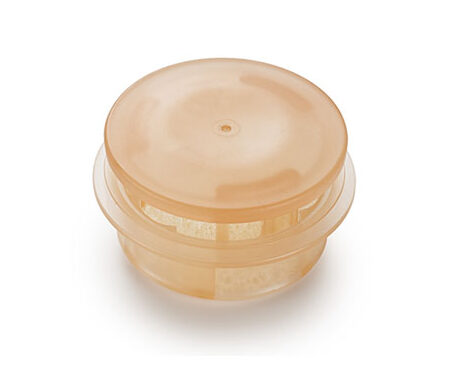
Regular use of an HME can:
- Reduce mucus production
- Decrease coughing
- Improve overall breathing comfort
- Support better lung health over time
A simple cloth or foam stoma cover can help filter larger particles and provide a small amount of warmth, but it does not retain and return moisture in the way an HME does. HMEs are specifically designed to actively conserve heat and humidity from each breath, making them far more effective at protecting the airway and reducing dryness.
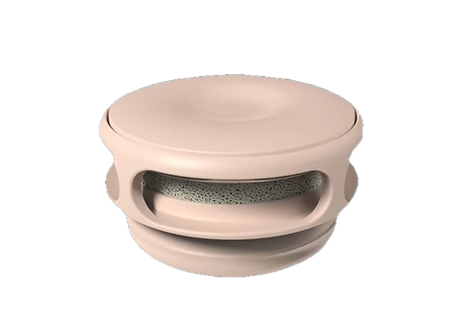
HMEs are typically worn in one of two ways:
- Attached to an adhesive baseplate that sits securely on the skin around the stoma
- Connected to a lary tube or laryngectomy tube, which is inserted into the stoma and helps maintain its shape
Both methods are widely used, and the choice depends on individual preference, comfort, and clinical advice. It is important to discuss the most suitable option with a qualified healthcare professional, such as a doctor or speech language pathologist, before use.
Practical Tips for Everyday Breathing
Managing air quality does not need to be complicated. Small, consistent actions can make a noticeable difference:
- Use an HME whenever possible, especially in dry or cold environments
- Stay well hydrated, as fluid intake helps keep mucus thin
- Use a room humidifier in dry indoor spaces, particularly during winter
- Protect the stoma outdoors with a cover or filter to reduce dust and cold air exposure
- Be aware of environmental triggers, such as smoke, strong fumes, or sudden temperature changes
These measures help maintain comfort and reduce the risk of complications. Individual needs can vary, so guidance from healthcare professionals should always be considered when developing a routine.
Adapting Over Time
In the early stages after surgery, breathing through the neck can feel unfamiliar and, at times, uncomfortable. Increased mucus and coughing are common as the body adjusts. Over time, most people develop routines that make breathing more manageable.
For those many years post-surgery, it is still important not to overlook airway care. Changes in environment, health, or routine can affect breathing at any stage. Revisiting simple strategies—like consistent HME use or improving indoor humidity—can often resolve issues that seem new but are linked to air quality.
A Different Way of Breathing, Not a Lesser One
Breathing through the neck is different, but it can be managed effectively with the right knowledge and tools. The key is understanding that the air reaching the lungs now requires a bit of assistance—mainly warmth, moisture, and cleanliness.
With attention to these factors, most laryngectomees are able to maintain comfortable, stable breathing in a wide range of environments.
Disclaimer: This article is intended for general information only and does not constitute medical advice. The use of HMEs, lary tubes, baseplates, or any airway management strategies should be discussed with a qualified healthcare professional, such as a doctor or speech language pathologist, to ensure they are appropriate for individual circumstances.